 Generated photo or Concept Artwork
Discover
What should I print and sell?
Find a buyer problem and build a shortlist of product ideas.
Free guide · no account
Find a starting idea
Product research for 3D-printing businesses
Research product ideas, compare marketplace signals, and estimate production costs—before you invest in inventory.
No card required. No automatic charge. Already have an account? Log in
See the research workflowGenerated photo or Concept Artwork
Your next decision
Choose a question. We’ll point you to the right tool and show you what to bring.
Generated photo or Concept ArtworkDiscover
Find a buyer problem and build a shortlist of product ideas.
Free guide · no account
Find a starting ideaAnalyze
Compare similar products and decide what to investigate next.
In the app · sign-in required
Validate your ideaEvaluate
Start with the costs you need to cover before choosing a price.
Free tool · no account
Calculate a print costWorking with a model file instead? Open free STL inspection & repair. Browse all free tools.
Featured product intelligence · worked research example
A buyer with an IKEA SKÅDIS-style pegboard needs to store headphones without losing desk space. A proposed original, fit-specific holder with optional small-accessory storage could solve that problem. Here's how to evaluate it before printing inventory.
Observed public asking prices in a sampled marketplace dataset, captured October 25, 2026 UTC. These are not paid transaction prices, proven demand or an exhaustive competitor set.
Direct functional comparison
Direct, added storage
Adjacent, different equipment
The higher-priced VR mount is adjacent, not interchangeable. Verify current listing prices, shipping, fit, materials and reviews before drawing competitive conclusions. Available provider estimates do not establish actual sales.
Illustrative assumptions for a hypothetical original product — not measured print time, slicer output, actual fees or a profit forecast. Replace each input with your own.
Before fixed overhead, returns beyond the allowance, taxes and any additional advertising.
We haven't printed this design yet, so material weight and print time are still open. Once a prototype is sliced and printed, the measured numbers appear here. Until then, contribution per printer-hour can't be calculated.
This example proposes creating an original design; no downloaded model licence or authorization has been verified. Check compatibility claims, third-party brand references, intellectual-property rights and marketplace originality requirements. Test pegboard fit, loaded strength and material suitability on the real hardware.
Avoid claiming that a commercial-use flag automatically grants all rights to sell a finished product.
Understand model licencesConditional go for a prototype only. Confirm the buyer problem, inspect directly comparable products, measure material and machine time, and test a listing or small batch before scaling. The proposed $19.99 price is a hypothesis, not evidence of willingness to pay.
Actual sales-test results: not available. No orders, conversion rate, return rate or validated contribution have been recorded for this proposed product.
Build your own cost scenarioResearch example using a small, manually selected set of public marketplace listings. The comparative prices are observations from a dated snapshot; the proposed design, selling price and manufacturing costs are modeled assumptions. This example demonstrates the decision workflow, not a validated commercial opportunity or paid-product forecast.
From first idea to next chapter
Your machine makes the part.
Your research makes the plan.
Explore ideas around the people and jobs you understand. Look for a reason someone would choose your product before filling a print bed.
Find product problems worth investigating.
Explore product ideasCompare products that solve the same job. Keep asking prices, marketplace estimates and maker interest in view without treating them as the same evidence.
Compare marketplace evidence and its limits.
Compare marketplace evidenceAccount for material, machine time, hands-on work, failures and selling costs. Check the design’s permissions before making a production commitment.
Check rights, production costs and capacity.
Explore production economicsTurn your assumptions into a prototype and a measured production plan. Learn what works before committing to inventory or another machine.
Prototype, run a small test and record results.
Plan your next test01 / Find your direction
Product popularity alone does not establish buyer demand. Compare maker interest, commercial-use permissions, and manufacturing costs before choosing your next product.
Explore market signals without mistaking downloads for sales.
Consider machine fit, production time and commercial-use rights.
Look beyond the selling price to materials, labor, fees and failures.
New to product research? Read our guide to choosing what to 3D print and sell before building a shortlist.
Explore marketplace researchA question worth exploring
Designs indexed in this category
818of 6,560
Commercial-use licence flag
58%
Downloads gained per day, across the whole index
A download is someone taking the file. It is interest, not a sale — and it is the earliest honest signal there is that somebody wants the thing.
What the index holds today
Designs indexed
6,560
Scored
5,003
Commercial-use licence
2,949
Categories covered
13
| Design | Licence | Downloads | Downloads / dayeach row to its own scale | Score |
|---|---|---|---|---|
 Drawing Robot - Arduino Uno + CNC Shield + GRBL by henryarnold | CC BY | 203.3K | —— | 76 |
 HyperCube Evolution by SCOTT_3D | CC BY | 321.3K | —— | 75 |
 Parametric Hinge by rohingosling | CC BY | 389.1K | —— | 70 |
 Raspberry Pi 3 (B/B+), Pi 2 B, and Pi 1 B+ case with VESA mounts and more by 0110-M-P | CC BY-SA | 454.3K | —— | 70 |
 XL-RCM 10.0 PIXXY: Pocket drone / FPV quad by 3dxl | CC BY-SA | 65.8K | —— | 70 |
 Ender 3 Cable Chain by Jwhiskey3D | CC BY | 814.6K | —— | 69 |
Research before you print
Compare marketplace observations and competing products. Maker downloads are interest signals, not confirmed consumer sales.
Maker interest helps identify what people explore. Review design rights, equipment compatibility, materials, and production requirements before manufacturing.
Estimate machine time, material, labor, channel fees, and failures. Test assumptions before committing to inventory.
Evidence-backed research, transparent assumptions, and no promises of sales. Marketplace estimates, observed activity, and modeled costs are different kinds of evidence. Explore the underlying sources and verify each opportunity before investing.
Explore product opportunitiesCategory Explorer preview
These are actual category counts from the published index, not buyer demand or market competition. Commercial-use flags are a starting point for checking each design’s rights.
| Category | Designs indexed | Commercial-use flagged |
|---|---|---|
| Workshop & Tool Storage | 818 | 58% |
| Desk & Cable Organization | 661 | 59% |
| Toys, Figurines & Fidgets | 628 | 46% |
| Art, Decor & Lighting | 480 | 45% |
| Gaming & Tabletop | 463 | 56% |
| 3D Printer Parts & Upgrades | 411 | 56% |
Inside the app, compare marketplace concepts at the same rank depth, with source windows and sample sizes. Amazon purchase floors and Etsy modeled estimates stay separate. A lead is a research question, not a proven market gap.
Open Category ExplorerBuilt for makers and operators
Find a specific buyer problem, check permissions, and measure your first prototype before building inventory.
Compare products and channels, account for hands-on work, and decide which batches deserve machine time.
Evaluate equipment, capacity and contribution under explicit assumptions before expanding production.
Supporting tools
Check model geometry before slicing. A geometry check does not certify a physical part.
Understand commercial-use permissions and verify the original source.
Check equipment capabilities against the product you intend to make.
Model costs, labor, failures and available machine hours.
The price is only the beginning
These are the five factors, not their sizes. Which one dominates depends on your machine, your material and where you sell — so the planner works it out against those, rather than guessing here.
03 / Build a business, not just inventory
Materials are only part of the story. Your time, failed jobs, channel fees and machine capacity matter too.
Bring those assumptions together before you add another machine or commit to another batch.
Open the business plannerStandard covers design discovery, licensing filters and basic cost estimates. Operator adds marketplace comparisons, machine research and production planning.
Standard $9.99 USD/month · Operator $19.99 USD/month, plus applicable sales tax. Renews monthly until canceled. Current trial and introductory terms appear on the pricing page.
Compare plans and current termsFor the people who make what’s next
Discover. Analyze. Evaluate. Act.
Start your free 30-day trial30 days of Operator, free. No card required. No automatic charge.
From the manufacturing world
Machines, materials and maker workflows from official publisher feeds. Announcements are starting points for research, not proof of buyer demand.
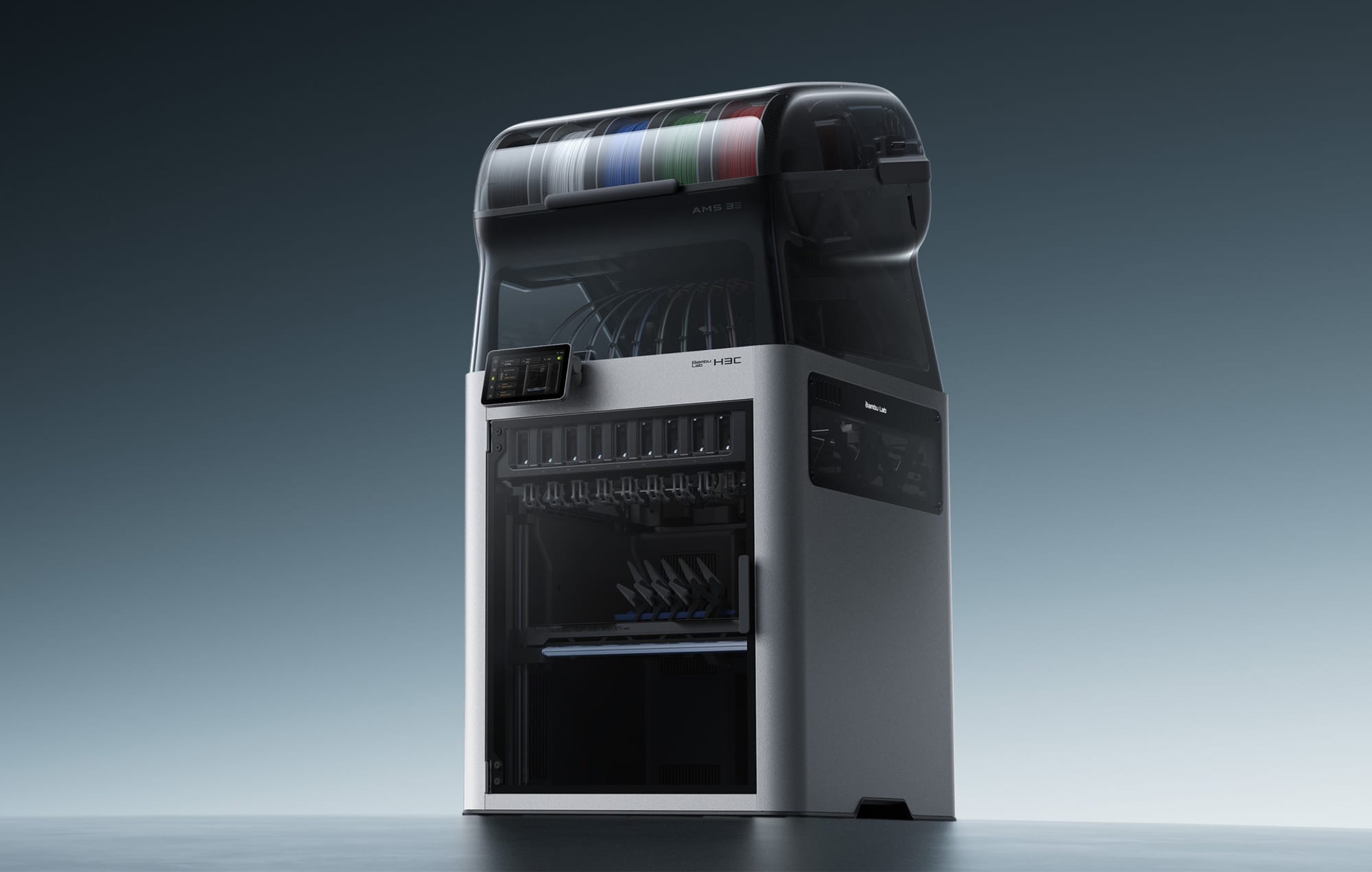
Bambu Lab · Manufacturer announcement
Published
Read at Bambu Lab →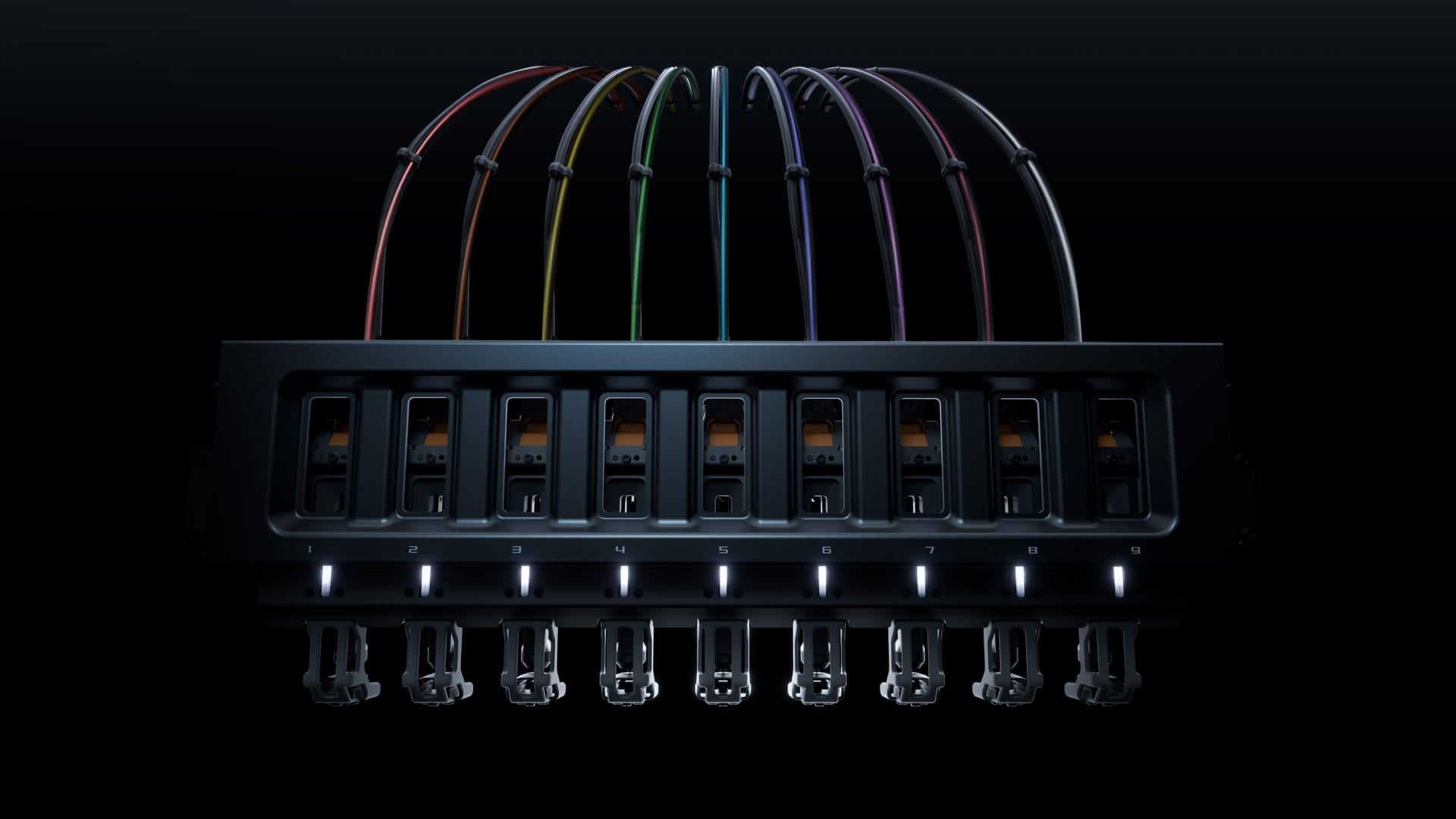
Selected headlines from the last 90 days. Feed refreshes on visits after 30 minutes; updates may appear after the next visit.